
Rethinking Intellectual Property Rights for Research and Innovation in Africa
Rethinking Intellectual Property Rights for Research and Innovation in Africa By APHRC Developer | March 6, 2026 Twenty months—that is how long it took the World Trade Organization to waive some of its intellectual property (IP) restrictions so that more manufacturers could produce life-saving COVID-19 vaccines and boost vaccine access in low- and middle-income countries. In the twenty months, the WHO, scientists, and activists rallied for a TRIPS waiver, likening the circumstances then to the early years of the AIDS response when, yet again, IP hindered timely access to drugs for millions in developing countries. The COVID-19 pandemic and the ensuing limited access to vaccines, therapeutics, and diagnostics was yet another stark reminder of Africa’s inadequate investment in research and innovation and the missed opportunities to leverage IP for health and economic development. The UNESCO Global Investments in R&D report estimates that sub-Saharan African countries spend just about 0.4% of their GDP on research and development (R&D) against a global average of 1.7%, significantly below the 1% target by the African Union (AU). This partly explains Africa’s marginal contribution to the global innovation landscape, where, for instance, the continent accounts for only 0.5% of the world’s patent applications – this compares dismally to Asia at 66.6%. Moreover, the over-reliance on international cooperation for R&D, limited awareness and use of IP, complexities in the process, and prohibitive costs in patent registration have reinforced the status quo. Universities and research institutions are significant sources of knowledge and innovations. However, too often, most of these intellectual assets are not taken further down the pipeline to production, therefore missing out on opportunities for commercialization that could benefit economies. The challenges facing technology transfer – the process of converting scientific findings into products or services that are useful to society – and commercialization are multifaceted. Beyond the fragmented regional IP frameworks and weak or lacking national IP law policies, the African researcher also has to contend with challenges at the institutional and individual levels. Within institutions, inadequate funding for research and innovation, lack of IP policies for safeguarding, unresourced technology transfer offices, and low IP awareness at the individual level are glaring challenges. Prof. Bosede Afolabi of the University of Lagos, a renowned sickle cell pregnancy researcher resonates with this. “At the beginning of my career, I struggled to secure grants for my research on sickle cell disease, let alone thinking about patenting and IP. It took me about 15 more years to learn this because there was little awareness of leveraging high-quality research for knowledge and innovation. This experience differs from that of universities in the USA or UK, where direction and resources are provided for academics earlier on,” the professor said on the matter. — Prof. Bosede Afolabi, University of Lagos In a continent in need of breakthroughs in the surveillance, prevention, diagnosis, and treatment of several life-threatening diseases, investing in the research-to-innovation pipeline and strengthening IP governance frameworks to protect our rich biodiversity and traditional knowledge is critical to tap into the knowledge economy. Cognizant of this, the Lagos State Ministry of Health in Nigeria has taken a pioneering step to conduct an analysis of the IP and technology transfer landscape in Nigeria, develop a roadmap for establishing an IP desk, and develop an IP policy through the support of the Catalyze Impact Initiative. Reflecting on the significance of the undertaking, Prof. Akin Abayomi, the Honorable Commissioner for Health at the Lagos State Ministry of Health, observes that, “Africa has the largest diversity of biological genomic material and this makes us vulnerable to biopiracy in research. Therefore, we at the Ministry must understand how to protect our indigenous knowledge systems, trade secrets and biological data.” — Prof. Akin Abayomi, Commissioner for Health at the Lagos State Ministry of Health What sub-Saharan African countries spend of R&D 0.00056 % of their GDP The UNESCO Global Investments in R&D report estimates that sub-Saharan African countries spend just about 0.4% of their GDP on research and development (R&D) against a global average of 1.7% Africa is at a critical crossroads, with the pressing need to leverage its intellectual property rights for health and economic prosperity. Our continued dependence on the global North for access to vaccines and drugs during disease outbreaks reminds us of the urgency of this mission. The continent’s limited investment in research and development has kept it on the fringes of the global innovation landscape, missing out on potential avenues for growth and self-sufficiency. Yet, initiatives such as the Lagos State Ministry of Health’s analysis and roadmap for IP governance offer a beacon of hope. Africa can unlock its potential in disease control and economic progress by strengthening IP frameworks, preserving indigenous knowledge, and fostering a culture of innovation. As Prof. Akin Abayomi rightly emphasized, safeguarding Africa’s biological resources from exploitation is paramount. The time has come for Africa to take control of its intellectual capital and pave the way for a more resilient and prosperous future. The UNESCO Global Investments in R&D report estimates that sub-Saharan African countries spend just about 0.4% of their GDP on research and development (R&D) against a global average of 1.7% Quick Facts 0.4% of GDP – Sub-Saharan African Countries Spend on GDP 1.7% Global Average Spend on Research and Development Subscribe for updates & newsletters Your email Facebook X LinkedIn Related Posts Discover local interventions, epidemiological updates, and clinical success stories. Shaping the Future of African R&D Join us in breaking systemic barriers, elevating research visibility, and building an ecosystem where African-led evidence shapes continental health and development priorities. Learn More
Transforming Africa’s Research Landscape Through African-Led Innovation
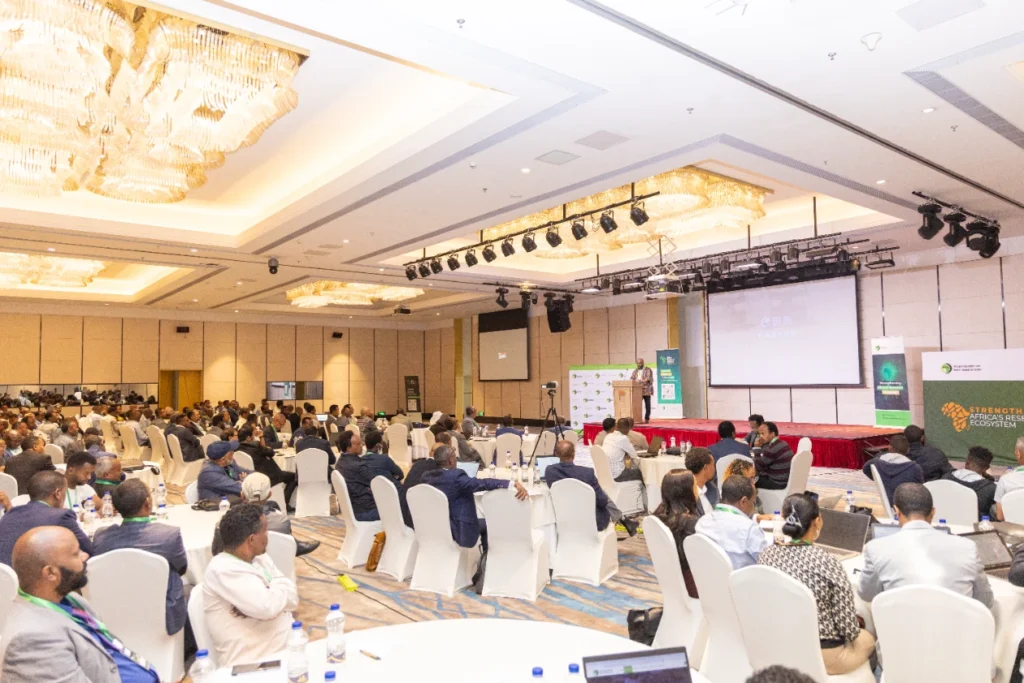
Transforming Africa’s Research Landscape Through African-Led Innovation By APHRC Developer | March 6, 2026 At the forefront of this effort is APHRC’s Catalyze Impact Initiative, dedicated to revitalizing and advancing Africa’s implementation research landscape, providing innovative solutions to these pressing challenges. The Role of Research and Development The role of research and development (R&D) is crucial in our pursuit of a prosperous continent, especially in light of Africa’s unique challenges. These challenges, including the current polycrisis era, marked by heightened risks such as pandemics, climate change, escalating conflicts, and rising living costs, underscore the imperative for robust R&D and strengthened capacities to bolster Africa’s resilience. At the forefront of this effort is APHRC’s Catalyze Impact Initiative, dedicated to revitalizing and advancing Africa’s implementation research landscape, providing innovative solutions to these pressing challenges. Central to the Catalyze Impact Initiative is its collaboration with a network of African academic and research institutions to evaluate and enhance their research capabilities. We aim to empower institutions across the continent to assess and elevate their research capacities through a specially designed Research Readiness Assessment Tool. This tool, designed as a modular online self-assessment survey, evaluates critical areas such as infrastructure, policy impact, and financial management. Continentally, the tool has been deployed to over 500 institutions spanning 27 countries, marking a significant stride towards bolstering Africa’s leadership in R&D and leveraging research for impactful outcomes. Have Deployed The Tool 17 Institutions Continentally, the tool has been deployed to over 500 institutions spanning 27 countries. Early reports from six participating institutions within the West African Research and Innovation Management Association (WARIMA) reveal promising areas for improvement. These gaps, identified through the assessment tool, include the limited number of specialized equipment, procurement gaps, and gender policies and ethics review committees. The assessment will empower African institutions to streamline their structures and procedures for research excellence, demonstrating the practical benefits of this assessment tool and painting a bright future for research in Africa. The Catalyze Impact team has also adopted the Good Financial Grant Practices (GFGP) standard to assess the financial portfolios of research organizations and determine their abilities to write and manage grants effectively. GFGP certification is the world’s first international standard for quality financial governance within research institutes, developed at the African Academy of Sciences. The standard promotes transparency to allow well-informed decision-making on grant issuing. In a global landscape where main funders like the Gates Foundation have only 10% of their research partners as African institutions, the latter require capacity assessment and strengthening to increase recognition and attract crucial grants. The GFGP certification process involves a self-assessment by organizations, regardless of size or location, to address some of the inequalities in current funding models. Afterward, licensed auditors review the self-assessment and issue certificates once compliance is confirmed. The certificates provide a rating based on four tiers in ascending order: Bronze, Silver, Gold, and Platinum. This certification validates an institution’s financial governance and enhances its credibility, making it more attractive to potential funders. The benefits of GFGP certification extend beyond financial governance, as it also equips institutions with robust mitigation strategies for risk management and disaster response, positioning them as models for other institutions seeking to enhance their research management capacities and achieve GFGP certification. The GFGP standard promises to enhance proper financial stewardship within Africa’s innovation landscape. The team has onboarded 40 institutions in Ethiopia, Kenya, and Nigeria to complete the self-assessment. Participating institutions consider the process valuable by facilitating the development of new organizational guidelines and SOPs based on the best practices learned. “The journey through GFGP certification ultimately strengthened the quality of the institution’s financial systems and equipped us with robust mitigation strategies for risk management and disaster response. This transformative experience positioned our institution as a model for other institutions seeking to enhance their research management capacities and achieve GFGP certification,” reported a representative from an Ethiopian institute who had completed the process. This reassures the financiers about the financial sustainability of African research institutions, making them feel confident about the future of African research. The insights gathered from the research readiness assessment and GFGP assessment from the various institutions will be incorporated into another of our projects, the Africa Research Connect platform. This web-based platform is designed to revolutionize research collaboration in Africa, serving as a comprehensive database and networking tool that connects African researchers, universities, research institutions, and funders. These initiatives empower institutions to navigate challenges, enhance research excellence, and attract vital funding, ultimately addressing Africa’s pressing issues through impactful innovation and collaboration. As we look ahead, the Africa Research Connect platform stands poised to revolutionize research collaboration across the continent, embodying a transformative vision for African research to thrive globally. Quick Facts Tools used in over 27 countries Used in over 500 institutitons Receive Weekly Alerts Subscribe to receive direct medical briefings from certified public health experts. Your email Related Posts Discover local interventions, epidemiological updates, and clinical success stories. Shaping the Future of African R&D Join us in breaking systemic barriers, elevating research visibility, and building an ecosystem where African-led evidence shapes continental health and development priorities. Learn More
Africa Research Connect: Connecting Africa’s Research Ecosystem
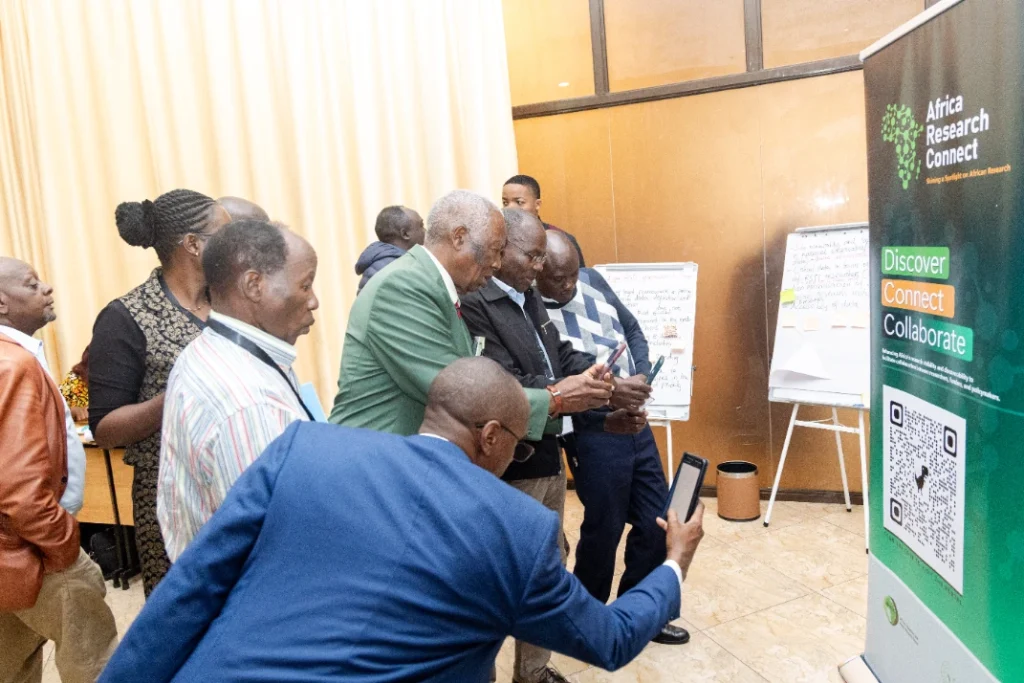
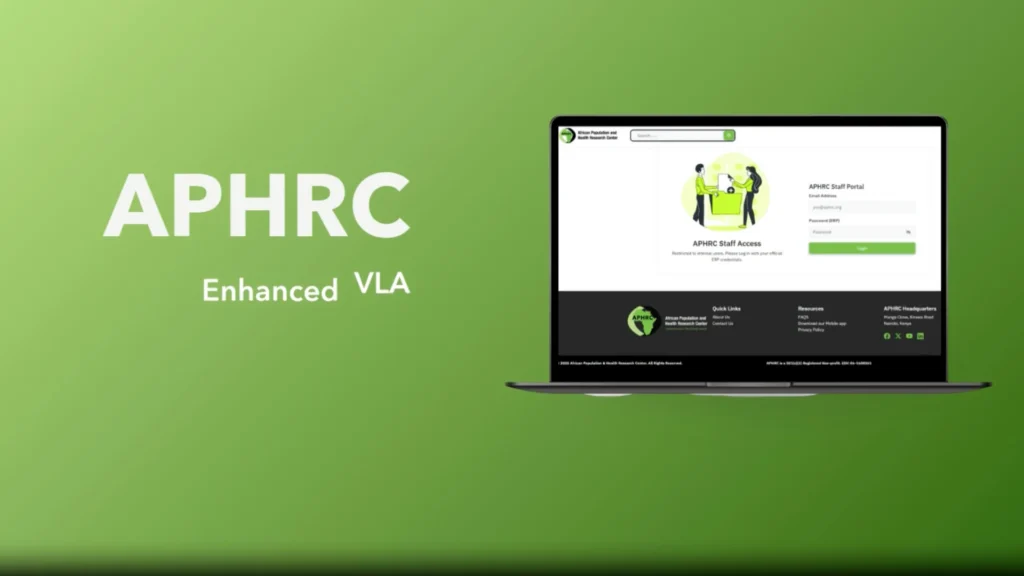
Africa Research Connect: Connecting Africa’s Research Ecosystem By APHRC Developer | March 6, 2026 Located in the bustling heart of Nairobi, Africa Research Connect (ARC) is a unique initiative from APHRC. ARC is a pioneering web-based platform designed to revolutionize research collaboration in Africa. Developed by APHRC’s Catalyze Impact Initiative team, ARC addresses the challenges of fragmented resources and isolated efforts in African research. The platform combines data from various sources to build unique profiles of African researchers and institutions. This comprehensive approach eliminates the need to search multiple databases and platforms for information about these institutions and researchers. ARC bridges the gap between scientific innovation and practical application, leveraging modern technologies and comprehensive data insights to facilitate collaboration, enhance decision-making, and foster inclusive partnerships. With a focus on the future, ARC is set to transform the landscape of African research. The genesis of ARC is rooted in recognizing barriers hindering effective research collaboration in Africa. Dr. Catherine Kyobutungi, Executive Director of APHRC, highlighted these challenges at the 2024 Global Science Summit in Denmark, emphasizing the critical need to connect global funders and investigators with Africa’s wealth of experts. Her keynote speech, Dr. Kyobutungi said during the global science summit. “From 17 to 4 years,” underscored the urgency of translating research findings into tangible solutions to address pressing global issues such as non-communicable diseases and socioeconomic disparities. “Universities and research institutes are churning out innovations daily and some of them don’t come out of the first valley. Those that do, don’t come out of the second. From the first stage of innovation to the actual practice, it takes an average of 17 years for innovations to move from the initial discovery to action that actually impacts lives,” — Dr. Catherine Kyobutungi, Executive Director of APHRC Through ARC, the Catalyze Impact Initiative aims to centralize and illuminate African research efforts by curating a comprehensive database of studies conducted on the continent. Leveraging artificial intelligence and machine learning, ARC has aggregated over 7 million records, continually updated to reflect the latest research developments. This comprehensive repository acts as a matchmaking tool, facilitating connections based on specific research expertise, geographic location, or thematic focus, empowering researchers to form agile collaboration hubs and enhance the impact and visibility of African research on a global scale. A cornerstone of ARC’s functionality is its suite of advanced tools designed for decision-making and collaboration. The platform features sophisticated data visualization and network analysis capabilities, enabling users to interpret complex information and identify synergistic partnerships easily. Acting as an information arbiter, ARC displays the research preparedness of institutions to potential partners. ARC is based on insights from APHRC’s Research Readiness Assessment Tool, a modular self-assessment mechanism that evaluates the ability of African academic and research institutions to conduct quality research. In addition, the platform assesses these institutions’ capacities to manage research grants by examining their research management systems and institutional arrangements through the Good Financial Grant Practices (GFGP) tool. The platform also has a place for researchers to engage with one another through communities of practice. With the comprehensive data collected, ARC builds the most complete profiles of African researchers and institutions available anywhere in the world. The platform provides network analysis to reveal the nature of collaborations among African researchers. Moreover, it offers a hub where researchers can access open research data and find linkages for further collaborations. In practical terms, ARC offers a suite of features designed to empower researchers and donors at every stage of their journey. The AI-powered chatbot provides real-time assistance and personalized guidance, while the AI-Digest feature delivers summaries of academic literature, saving researchers valuable time and effort. ARC equips researchers and donors with the tools to navigate vast amounts of data and thrive in today’s fast-paced, data-based environment. In addition, the platform offers specific support and resources, ensuring users have the necessary assistance to maximize their research through the platform’s capabilities. ARC also identifies researchers and institutions with unique capacities, enabling donors and collaborators to discover tacit and exceptional skills that are currently difficult to pinpoint. By democratizing linkages, ARC extends connections beyond the usual African researchers and institutions, fostering a more inclusive and diverse research network. Moreover, the platform champions inclusivity and diversity within the research community and embraces gender-responsive approaches to fostering equitable research partnerships. It ensures that all researchers, regardless ofbackground or location, have equal opportunities to contribute to and benefit from Africa’s scientific advancements. By highlighting underrepresented segments, such as female investigators, ARC aims to diversify and enrich Africa’s innovation ecosystem, catalyzing groundbreaking discoveries and solutions. ARC represents a cultural shift towards collaborative excellence in African research. As we prepare for its official launch, we invite stakeholders from across the globe to embrace this innovative platform. Whether you intend to initiate collaborative research projects, explore funding opportunities, or discover research trends, we encourage you to interact with the platform via https://rmp-tiers.net/. Your engagement and feedback are crucial to us. Our team will carefully review the feedback received and use it to shape ARC’s functionalities and effectiveness, ensuring it meets the evolving needs of the African research community. Engage us through info.catalyzeinitiative@aphrc.org. Subscribe for updates & newsletters Your email Related Posts Discover local interventions, updates, and success stories. Shaping the Future of African R&D Join us in breaking systemic barriers, elevating research visibility, and building an ecosystem where African-led evidence shapes continental health and development priorities. Learn More